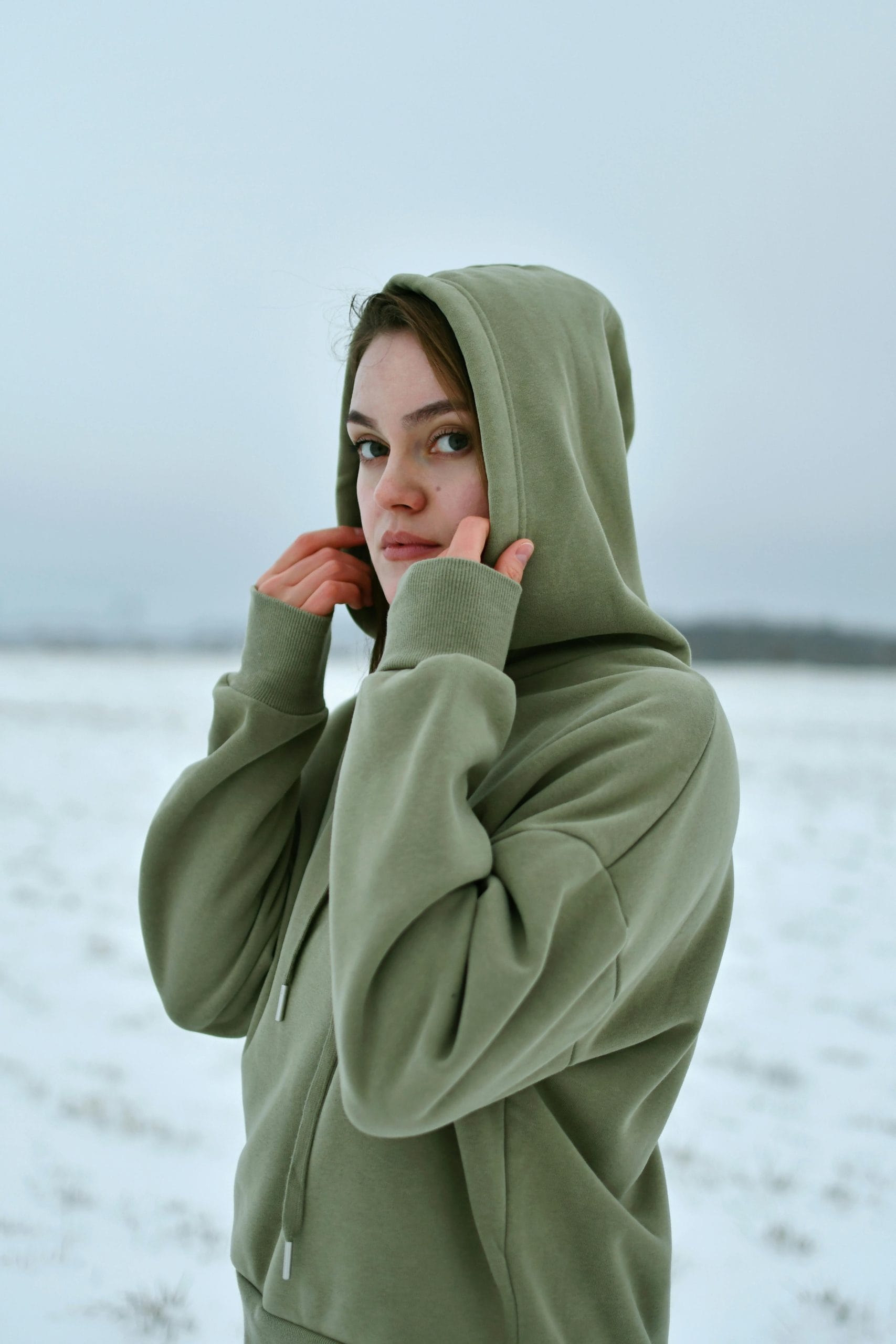
In the textile industry, fabric selection dramatically impacts the appearance and feel of the final garment. With the proper fabric, a garment is transformed, becoming comfortable, fashionable, and long-lasting. With consumers’ needs growing for materials that combine style and functionality, one material is the clear winner: melange fabric. With its unique texture and heathered sheen, melange fabric has become a fixture on the fashion landscape, boasting an unblemished combination of style, comfort, and versatility.
Being a reliable fabric manufacturer, we ensure all the detauil about melange fabric, So you can wear every kind of fabric you’ll want to wear every day.
What Makes Melange Fabric Unique? A Deep Dive into This Stylish Textile
Melange fabric is famous for its fashionable heathered appearance and gentle touch. Processed by yarn-dyeing, in which the yarn is colored first and then knitted, it provides a distinct finish. Produced from cotton or bamboo, it’s relaxed yet sophisticated. Friendly to the environment, cost-effective, and maintenance-free, it’s ideal for bedding and everyday use. Originating in India in 1980, melange fabric is now widely used for practical purposes and contemporary style.
Melange Fabric Production Process: Blending Innovation with Style

Melange fabric is produced by mixing already dyed cotton, polyester, and bamboo yarns. The result is a soft, aged look with a unique, mixed-up color like gray from white and black. It’s eco-friendly, cost-effective, and offers quality benefits. Pollution-reducing water-less dyeing saves water and the use of toxic chemicals—a godsend for the planet.
Top Uses of Melange Fabric in the Clothing Industry

- Good for t-shirts and sweatshirts
- Common in sports and gym attire
- Used in soft home wear
- Gentle and safe for baby wear
- Liked for stylish everyday outfits
Why Melange Fabric Feels and Looks Different: Its Unique Properties

Melange cloth is light, soft, and comfortable to wear. It’s airy, air passes through easily, and can therefore be worn daily and also in hot weather. The blending effect of color provides it with a modern and chic appearance. It is also durable, long-lasting, and doesn’t require special handling when it is washed. Most of these qualities make it a casual wear and active wear favorite.
A Guide to Melange Fabric Types: Choosing the Right One for Your Needs
Melange fabric is available in numerous varieties, each with a different feel and application. What you choose is based on what you’re sewing—whether you’re sewing comfortable daily wear or something stretchy and durable. Here are typical varieties to make your choice.
Cotton Melange
Soft and breathable, best for t-shirts, baby clothes, and casual wear.
Polyester Melange
Durable and quick-drying, great for sportswear and activewear.
Cotton-Polyester Melange
A mix of softness and strength, perfect for everyday outfits and uniforms.
Viscose Melange
Soft and flowing, frequently employed in fashionable tops and dresses.
Wool Melange
Cozy and warm, great for sweaters, scarves, and winter clothing.
Nylon Melange
Durable and elastic, frequently employed in outdoor and performance wear.
Spandex/Elastane Melange
Flexible and comfortable, great for leggings, gym wear, and tight-fitting wear.
Melange Linen
Cool and textured, a great pick for summer clothes and relaxed outfits.
Pros and Cons of Melange Fabric: Is It the Right Choice for You?
Melange fabric has many benefits but also some drawbacks.
Pros:
- Soft, comfortable, and breathable
- Stylish mixed colors add a unique look
- Durable and long-lasting
- Easy to care for, typically machine washable
- Eco-friendly options with water-less dyeing
Cons:
- May not be silky as some other materials
- Fewer color choices than in solid fabrics
- May shrink a little when washed if not well taken care of
Overall, melange fabric is wonderful for everyday clothing, athletic clothing, and those interested in an environmentally friendly consumption approach, yet not so for extremely formal or extremely smooth material.
FAQs About Melange Fabric
Q1: What is melange fabric made of?
Melange fabric is usually produced by mixing various fibers or yarns—usually of assorted colors or levels of dyeing—before knitting or weaving. Typical blends are cotton, polyester, viscose, and spandex.
Q2: Is melange fabric suitable for summer wear?
Yes, cotton or cotton-rich melange fabrics are breathable and comfortable, thus perfect for summer clothing. But heavier blends such as wool melange are better for winter.
Q3: What is the difference between melange and heather fabric?
Although both share a similar speckled or mixed-color appearance, “heather” is usually applied to a kind of melange fabric constructed mostly of cotton or cotton-poly blends. Technically, heather is a form of melange, but not every melange fabric is heather.
Q4: Is melange fabric stretchable?
Melange fabric can be stretchy when mixed with elastane or spandex. Stretchiness is based on the fiber content and knitting technique.
Q5: How do I care for melange fabric?
Care varies with the fiber mix. For cotton-based melange, machine wash in cold water and do not bleach. For synthetic blends, gentle cycles and air drying should be used to maintain shape and color.
Q6: Is melange fabric eco-friendly?
Some melange textiles are produced from recycled fibers or low-impact dyes, which are more environmentally friendly. However environmental friendliness is determined by the production methods and fiber sources employed.
Q7: What are the common uses of melange fabric?
Melange fabric is applied to a variety of clothes such as t-shirts, hoodies, joggers, sportswear, loungewear, and even uniforms because of its distinct texture and color range.