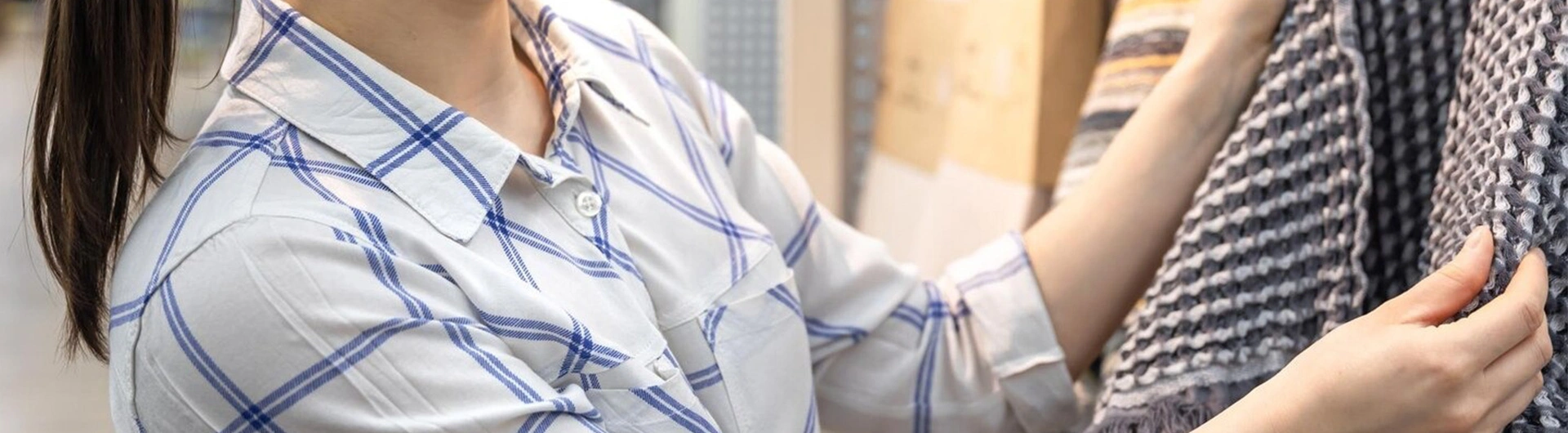
Have you ever bought two t-shirts that looked similar but felt completely different in weight and comfort? Even if both are 100% polyester or cotton, the reason one feels heavier or thicker is because of GSM (Grams per Square Meter), a key measurement of fabric weight.
In this blog, we’ll try to explain what is GSM in clothing, how it is measured, why it matters, and how to choose the right fabric weight for your sportswear and activewear collection. GSM can help you make better decisions about quality, comfort, and performance.
What Is GSM in Fabric?
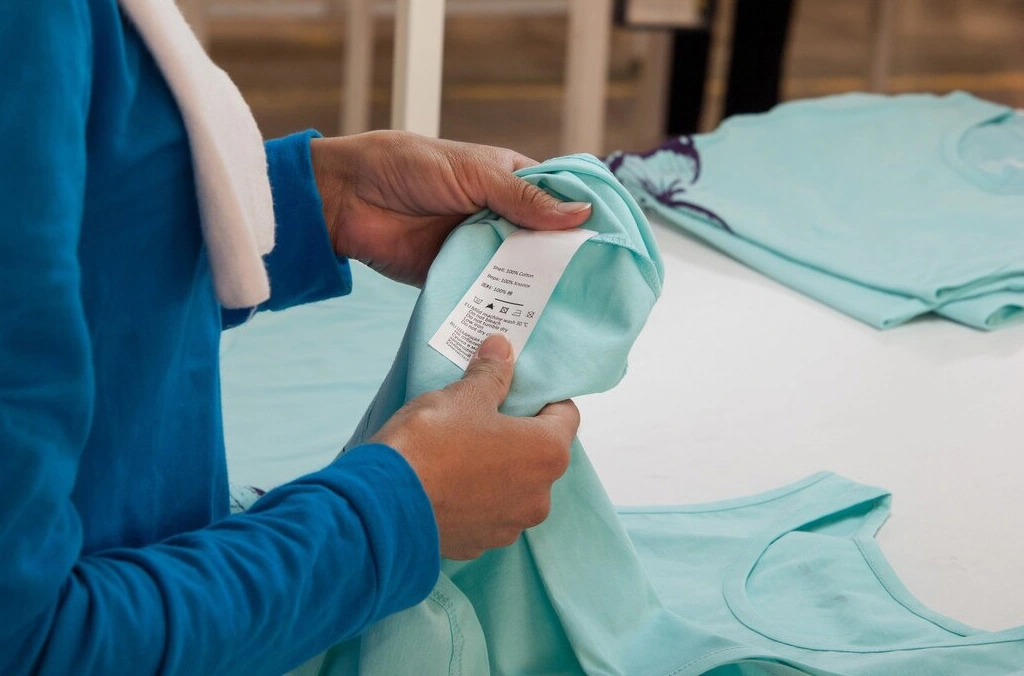
GSM (grams per square meter) is a measure of fabric density. It tells you how much one square meter of fabric weighs in grams. Think of it this way: if you cut a piece of fabric measuring exactly one metre by one metre, its weight in grams is its GSM value.
- Low GSM = lightweight fabric (more breathable and flowy)
- High GSM = heavier fabric (thicker and more structured)
The more GSM, is heavier the fabric, for example:
- A 130 GSM polyester gym shirt is light, breathable, and perfect for hot workouts.
- A 300 GSM hoodie is warm, thick, and ideal for cold-weather training or recovery wear.
Why Fabric Weight (GSM) Matters in Clothing

Fabric weight is really important when choosing clothes because it should suit the weather and how you plan to wear it. Here are some key points
1. Comfort
Sportswear and apparel need to be comfortable during movement and playing. Lightweight fabrics are ideal for hot environments or high-intensity workouts. Heavier fabrics may be better for warmth and recovery wear, like joggers or sweatshirts.
2. Performance
The right GSM influences how well a garment handles:
- Sweat-wicking
- Stretch and movement
- Temperature regulation
Light GSM = better airflow. Heavy GSM = better insulation and coverage.
3. Durability
Heavier fabrics generally last longer and resist wear and tear better, but they may reduce flexibility. Sportswear brands must balance GSM with fabric type to achieve both functionality and longevity.
4. Fit & Drape
Low GSM sportswear often feels soft and fits closer to the body. Higher GSM gives a structured look and is often used for outer layers like zip-up jackets.
How Is GSM Calculated?
To find the GSM of a fabric:
- Cut a fabric sample (e.g., 10cm x 10cm).
- Weigh it in grams.
- Use the formula:
GSM = (Weight in grams / Area in square meters)
For example, if a 10x10cm piece weighs 1.5g:
- Convert size to m² → 0.01m × 0.01m = 0.0001m²
- GSM = 1.5g ÷ 0.0001 = 150 GSM
Manufacturers use this to maintain fabric consistency and meet design specs.

GSM Categories: Which Are Best for Sportswear & Apparel?
Here’s a general guide:
| GSM Range | Fabric Weight | Ideal Use in Sportswear |
| 100–140 GSM | Lightweight | Hot-weather workout tees, running shirts, base layers |
| 140–180 GSM | Mid-weight | Versatile for gym wear, active tanks, athletic t-shirts |
| 180–250 GSM | Heavyweight | Compression wear, leggings, joggers, outerwear |
| 250–350+ GSM | Extra Heavy | Hoodies, sweatpants, recovery wear |

Note: GSM feels different based on fabric type. For instance, 180 GSM polyester may feel lighter than 180 GSM cotton.
GSM vs Other Fabric Measurements
Ounces per Square Yard (oz/yd²)
Used mainly in the U.S., especially for denim or canvas.
1 oz/yd² = 33.91 GSM
Quick conversions:
- 100 GSM ≈ 2.95 oz/yd²
- 200 GSM ≈ 5.90 oz/yd²
- 300 GSM ≈ 8.85 oz/yd²
Yarn Count (Ne, Tex, Denier)
- Cotton Count (Ne): Higher numbers = thinner yarn
- Tex: Weight in grams of 1,000m of yarn
- Denier: Grams per 9,000m; often used for synthetics
These influence the softness, stretch, and texture of a fabric—even when GSM is the same.
Thickness (mm)
Especially important for compression wear, yoga mats, or neoprene-based athletic products.
How Fabric Composition Affects GSM Feel

Same GSM Same Feel. Here’s how fabric type interacts with GSM:
- Cotton (150 GSM): Soft, breathable, good for casual gym wear
- Polyester (150 GSM): Lighter feel, faster drying, ideal for performance gear
- Spandex Blend (150 GSM): Adds stretch for compression and flexibility
- Linen (150 GSM): Rare in sportswear, but very breathable
- Wool (150 GSM): High warmth-to-weight ratio, great for winter base layers
Always check both GSM and material type when choosing sportswear fabric.
Choosing the Right GSM for Your Activewear Brand

If you’re designing or manufacturing sportswear, consider:
- Product Purpose: Running? Training? Recovery?
- Climate & Season: Summer = light GSM; winter = heavier GSM
- Target Audience: Some prefer light, breathable clothes; others want sturdy, durable gear
- Layering Strategy: Offer a range—light tanks, mid-weight shirts, heavy hoodies
Fabric Care and GSM
Heavier GSM fabrics are often more durable, but care still matters:
| Fabric Weight | Washing | Drying | Ironing |
| Lightweight | Gentle wash | Air-dry | Low temp |
| Midweight | Normal wash | Tumble or air-dry | Medium temp |
| Heavyweight | Durable | Tumble okay | Higher heat (if needed) |
Always check the care label, especially for performance blends.
Final Thoughts: GSM Is the Hidden Hero in Sportswear Quality
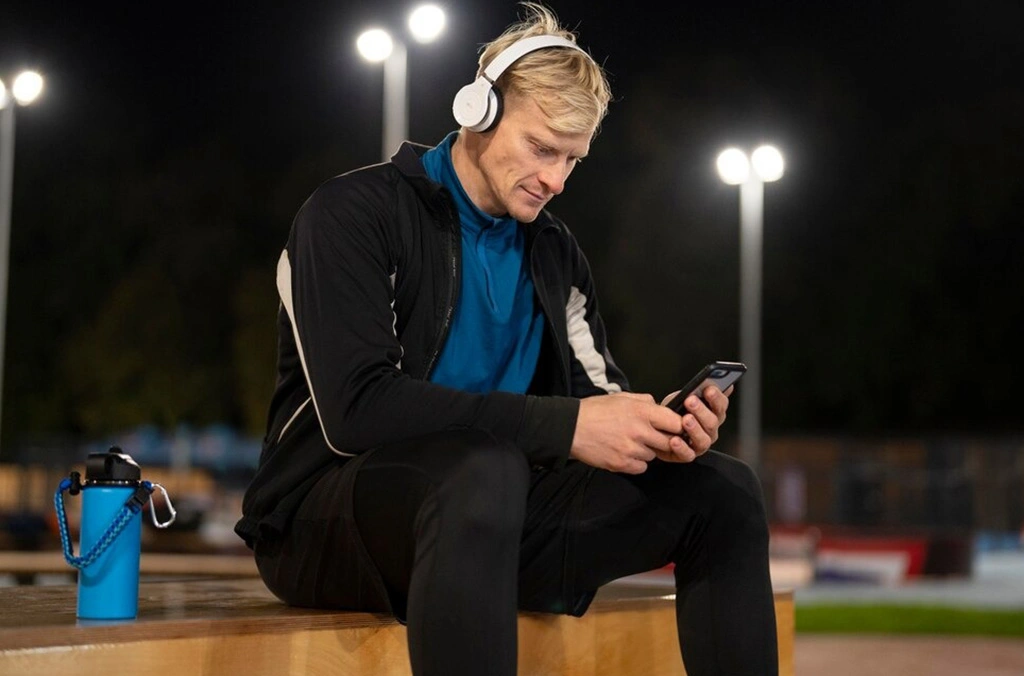
Thinking about GSM in fabric helps you make smarter choices, whether you are building a new activewear brand, for your club, fashion wear designing high-performance apparel, or just shopping for gear that performs and lasts. Next time you grab a workout shirt or hoodie, check the GSM (if listed) and feel the difference. When combined with the right fiber and function, GSM can elevate both comfort and performance.
At Fabletics Sport, we create high-performance sportswear and apparel using the perfect GSM (grams per square meter) according to your needs. Whether you need lightweight fabric for training or gymming and sports or you need heavier options for winters and fashion wear, get in touch today and let us help you build your sportswear line the right way.
FAQs
Q: Is a higher GSM better for sportswear?
Not always. It depends on the activity and season. Lightweight is breathable, and heavyweight, warm and durable.
Q: Can two fabrics with the same GSM feel different?
Yes! Material type, weave, and finish all affect how a fabric feels.
Q: What’s a good GSM for gym t-shirts?
Typically 130–170 GSM, depending on climate and fit.
Q: Should I look for GSM when shopping online?
Absolutely! If listed, GSM gives you a quick clue to the fabric’s weight and feel.